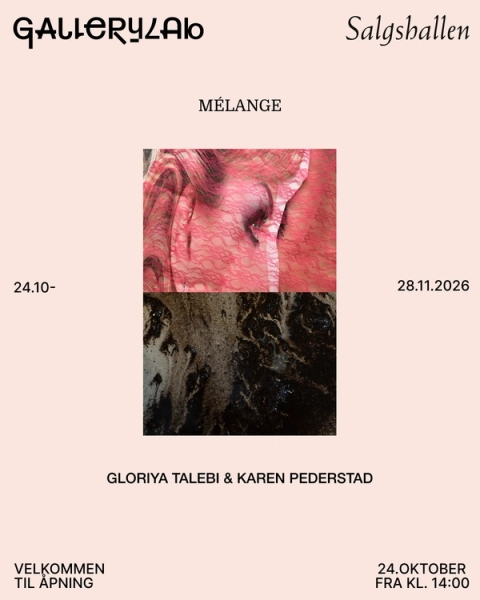
Karen Pederstad, Gloriya Talebi
Mélange
24/10/2026—28/11/2026
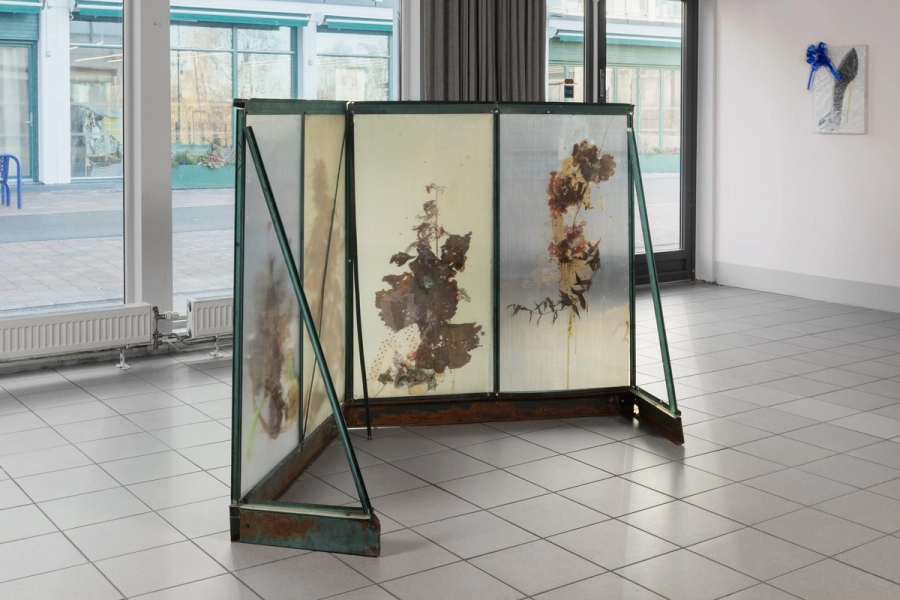
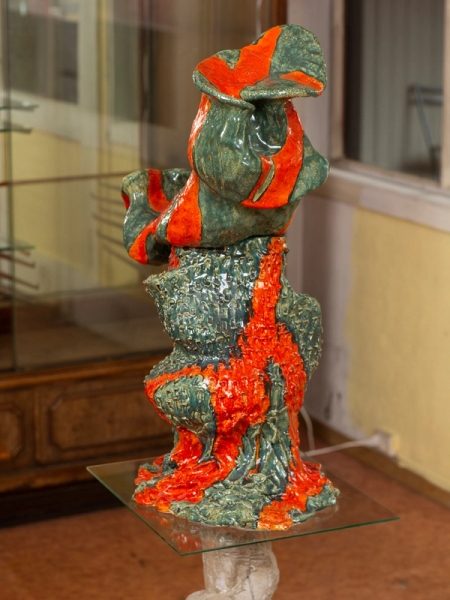
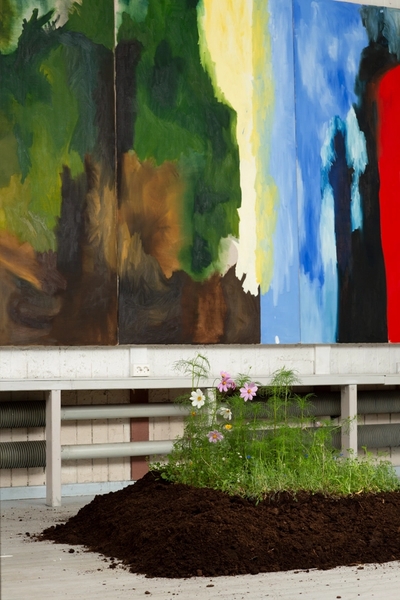
Feltbelegg Romsås I-II, 2026
Used greenhouse, multiwall polycarbonate sheets, material found from Tiurleiken, Ravnkollen, Orremyr, Emanuelfjell, Svarttjern og Røverkollen and Romsås senter
138 x 210 x 100 cm
Pice upon request
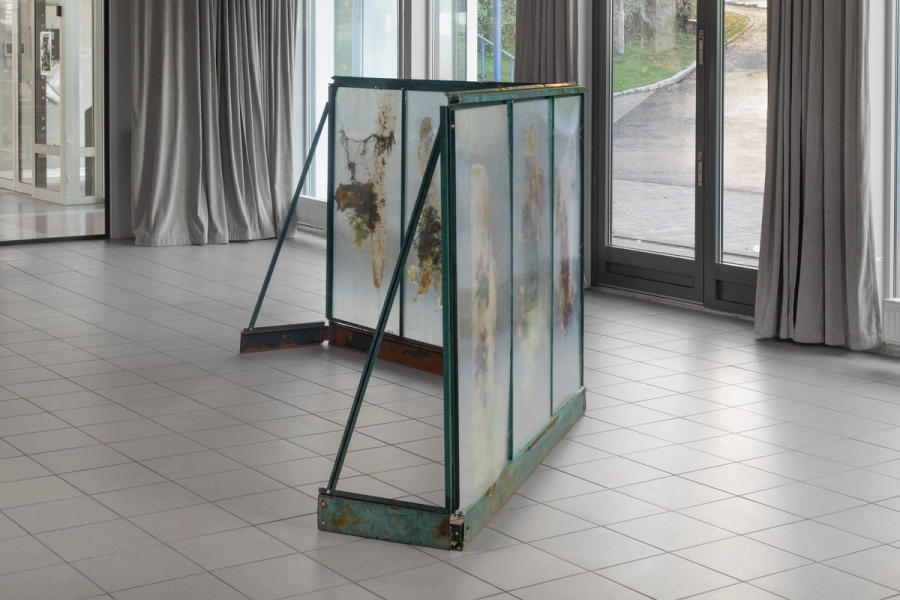
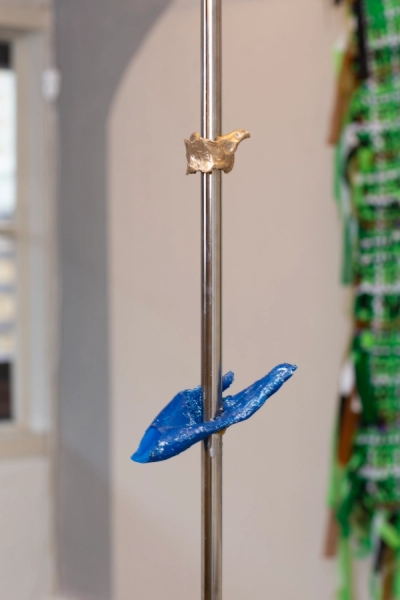
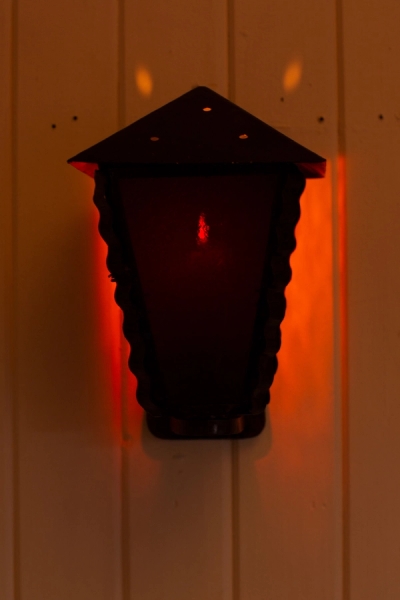
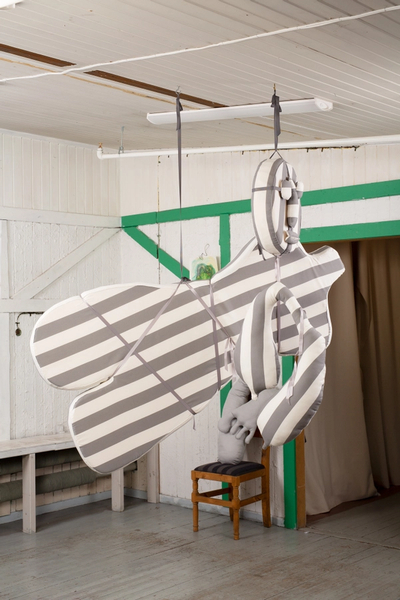
Feltbelegg Romsås I-II, 2026
Used greenhouse, multiwall polycarbonate sheets, material found from Tiurleiken, Ravnkollen, Orremyr, Emanuelfjell, Svarttjern og Røverkollen and Romsås senter
138 x 310 x 100 cm
Price upon request
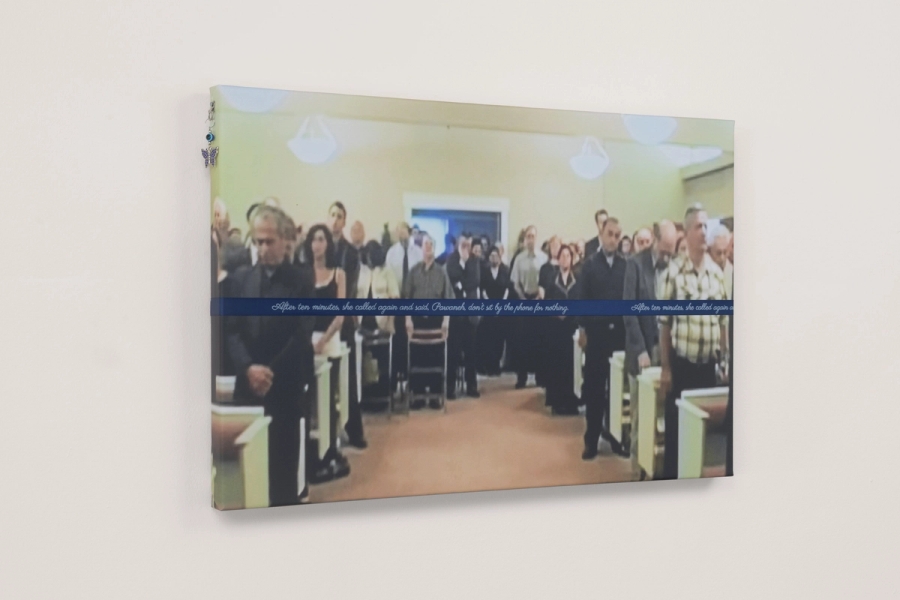
Where separation comes no more, 2026
Canvas print, ribbon, gift ribbon, charm
40 x 60 cm
NOK 8 000
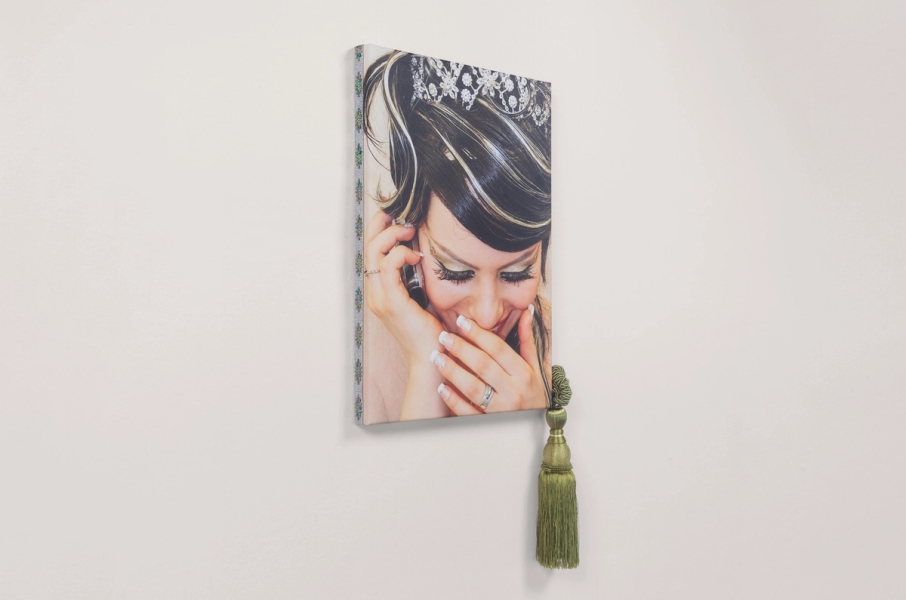
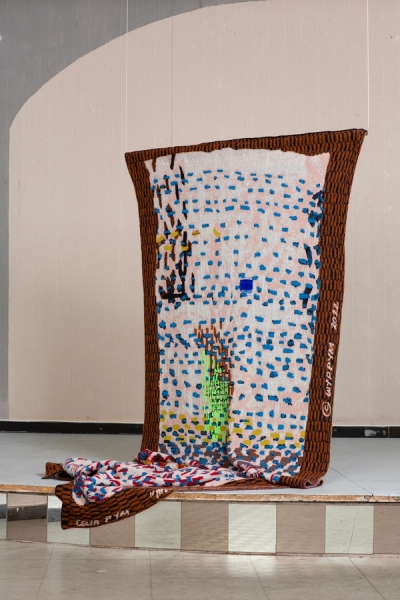
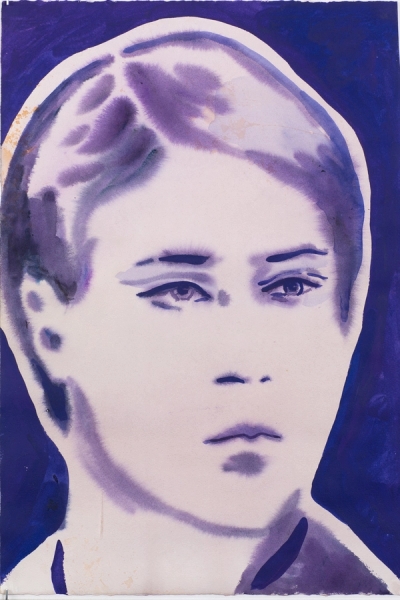
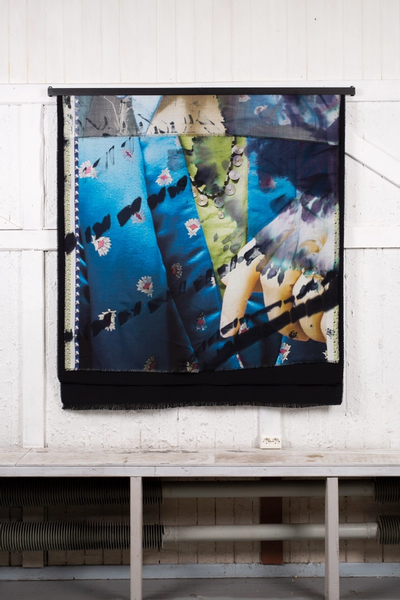
Miriam, 2026
Canvas print, rhinestones, gift ribbon, tassel fringe
50 x 75 cm
NOK 7 300
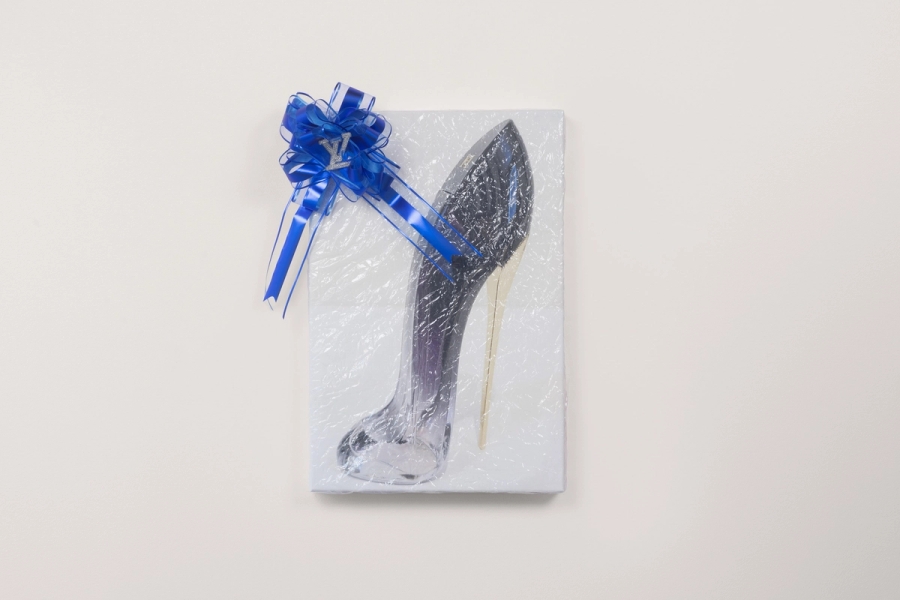
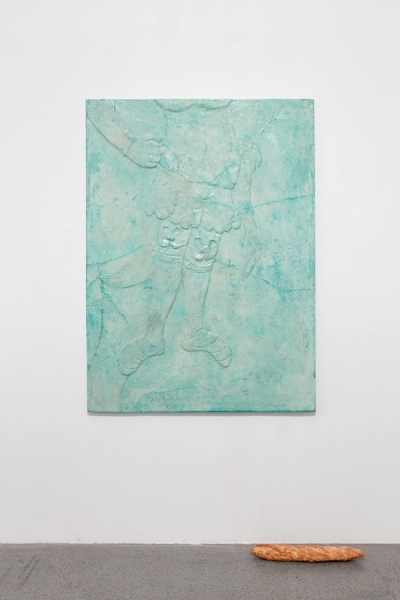
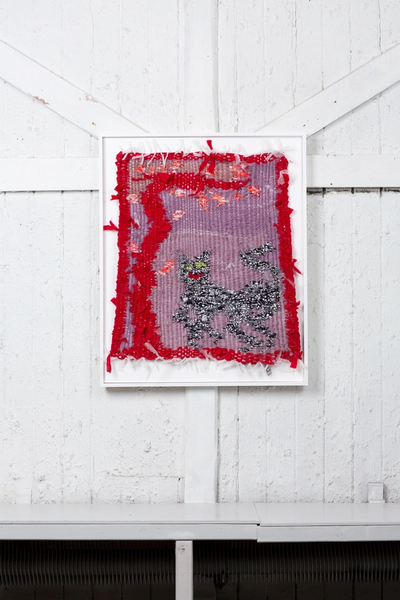
Attracting Affair, 2026
Print on canvas, cellophane, gift bow
40 x 60 cm
NOK 7 300
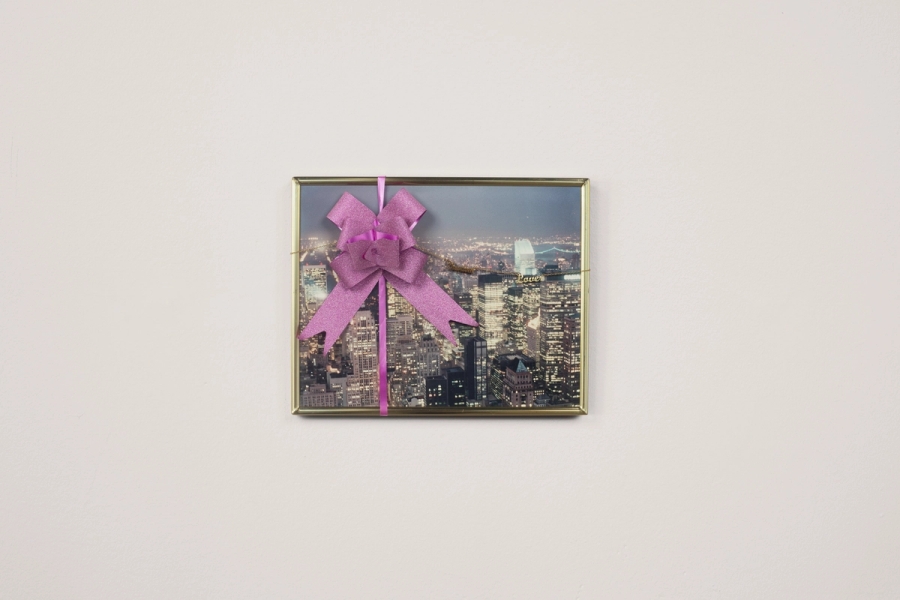
All i ever dreamed is you and me, 2026
Found framed picture, gift bow, necklace
20 x 28 cm
NOK 5 500
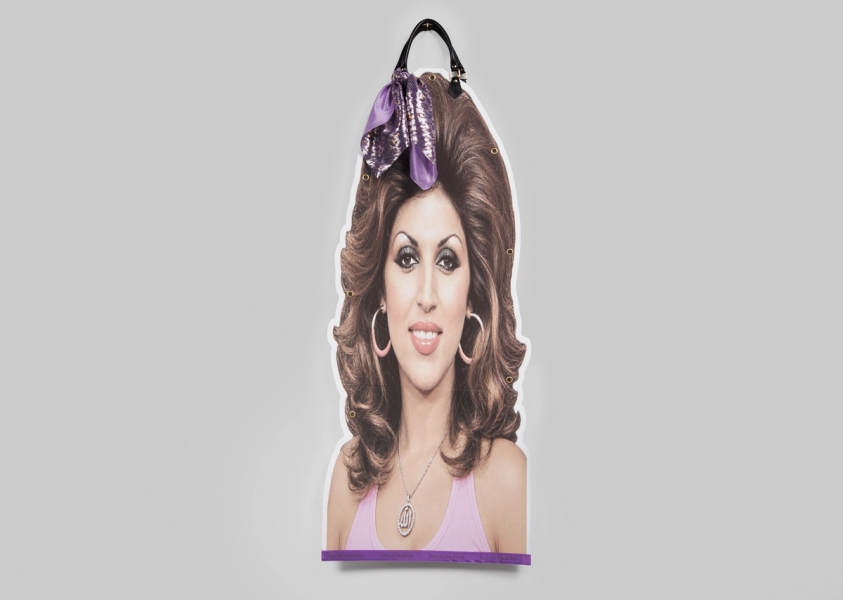
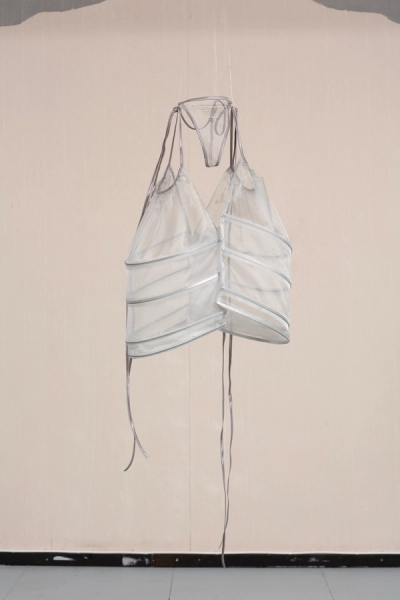
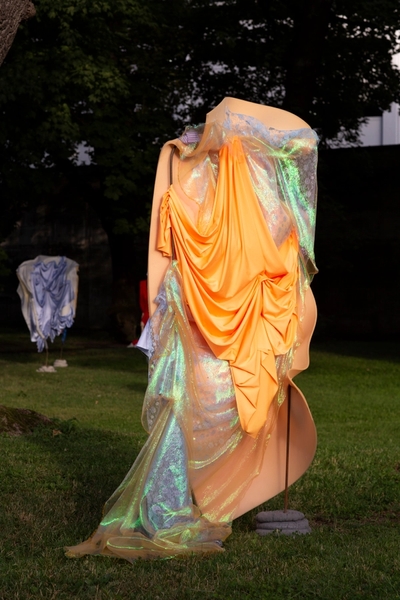
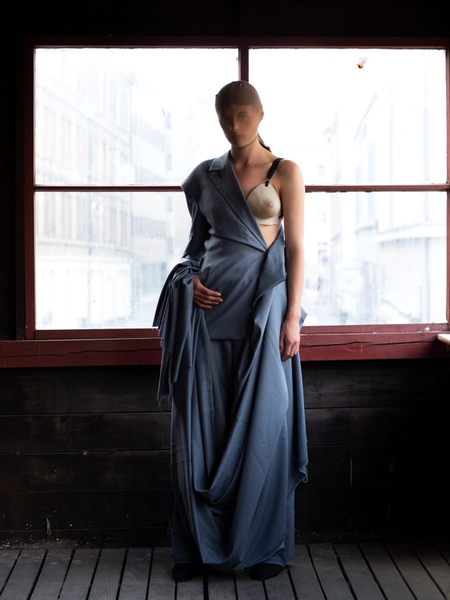
Mahasti, 2026
PVC print, gift ribbon, grommets, bag handles, textile
120 cm
Price upon request
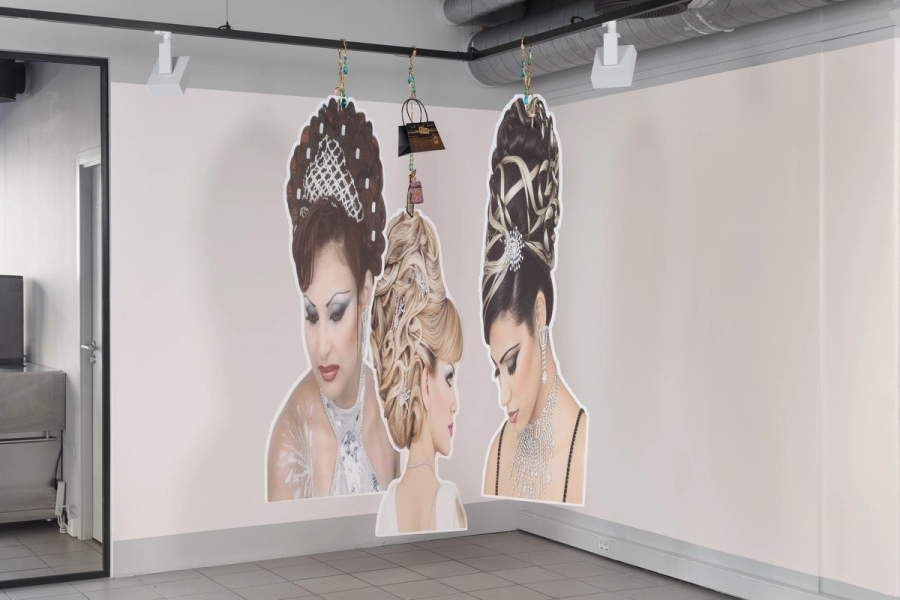
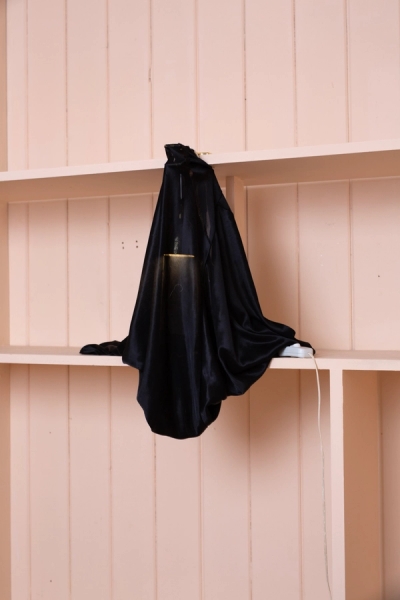
Royal Bouquet, 2026
PVC print, decorative ribbon, gold chain, prisms, paper bag, case
Variable dimensions
Price upon request
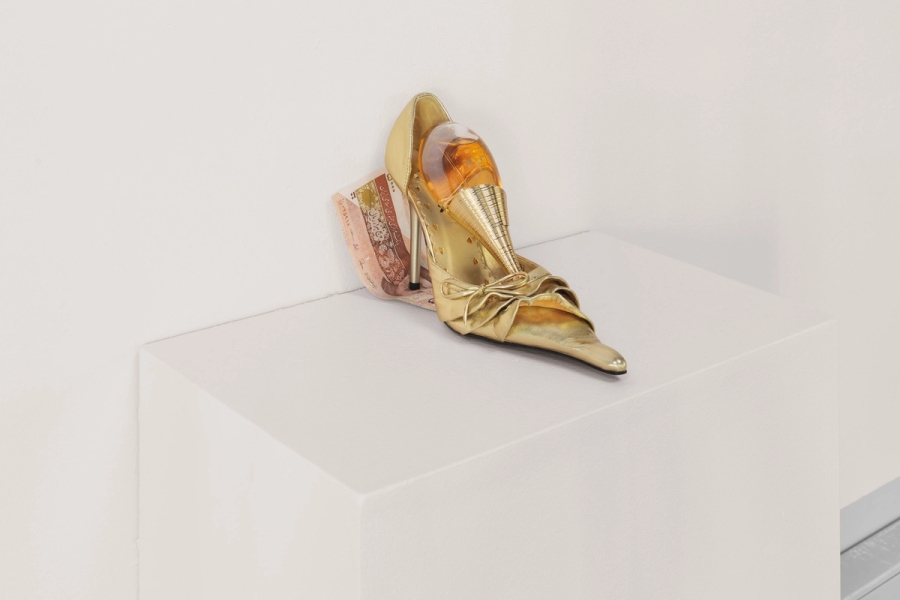
Untitled, 2026
High heel, Dior J’adore perfume, 5000 IRR
Variable dimensions
NOK 15 000
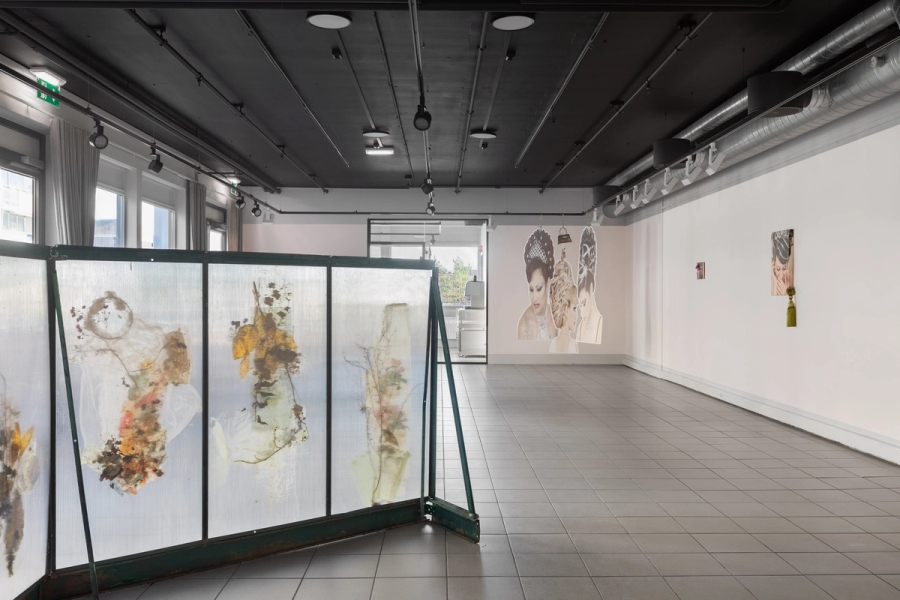
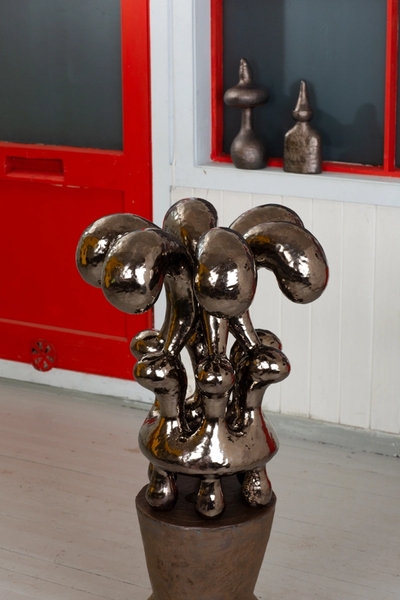
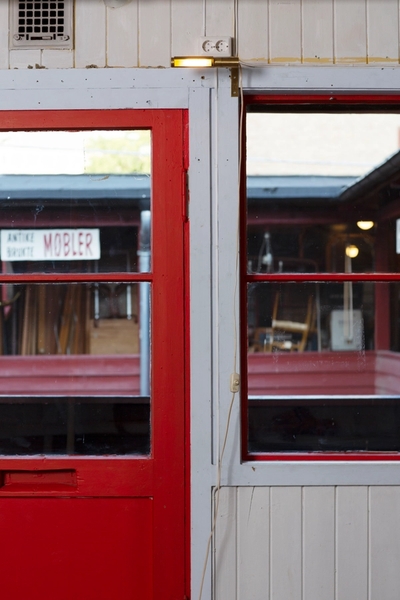
Installation view
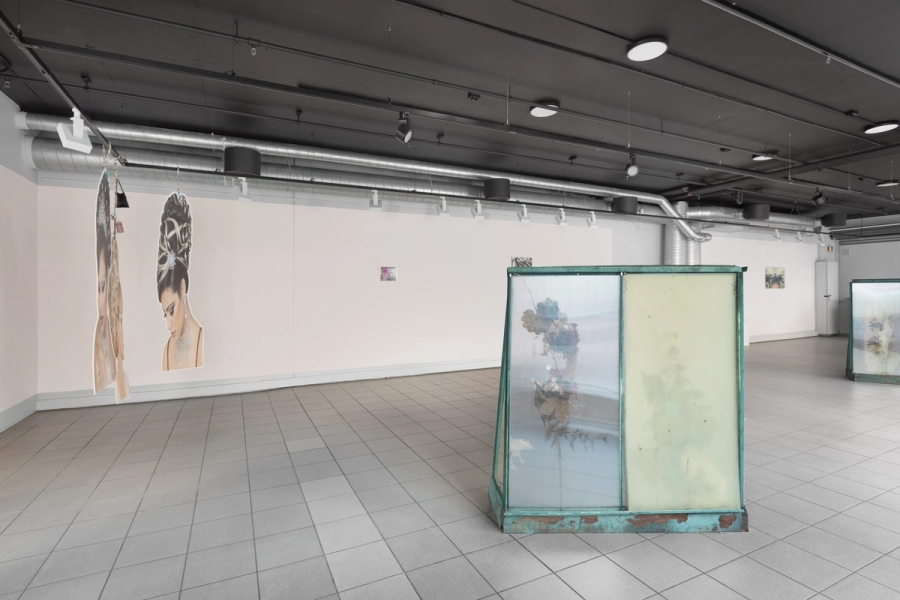
Installation view
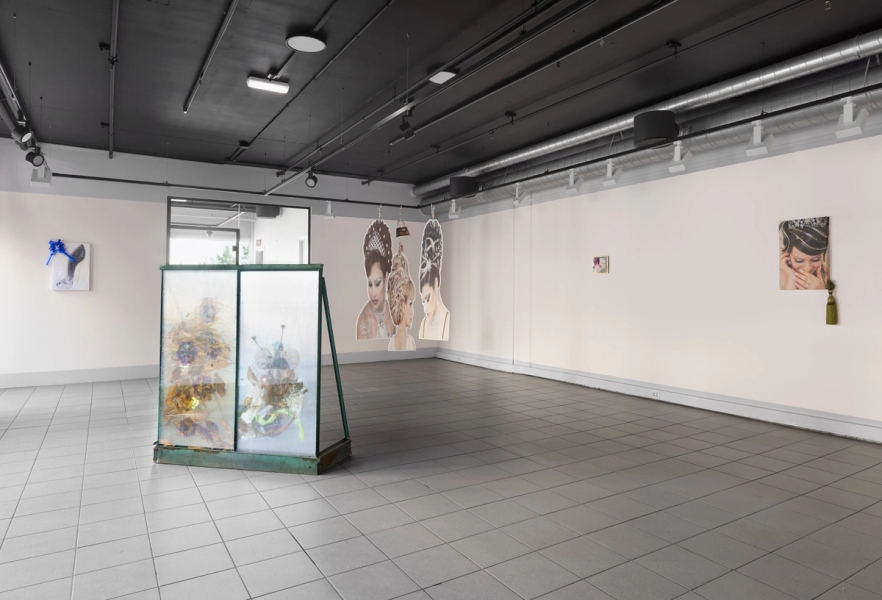
Installation view
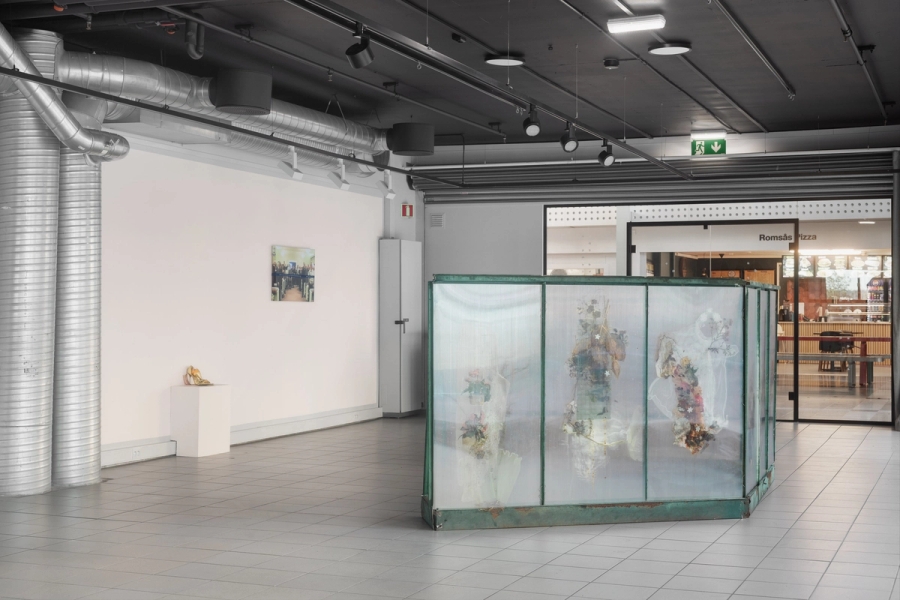
Installation view
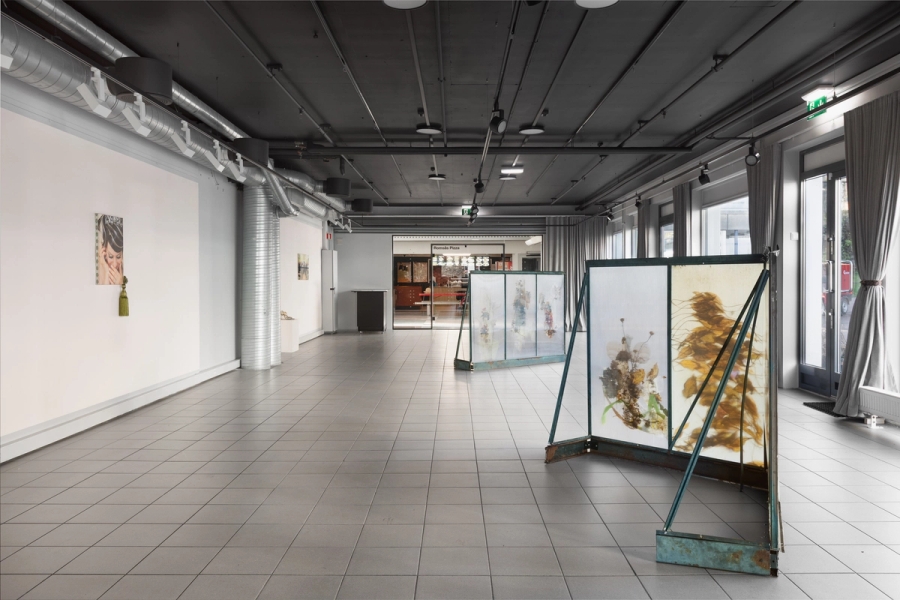
Installation view
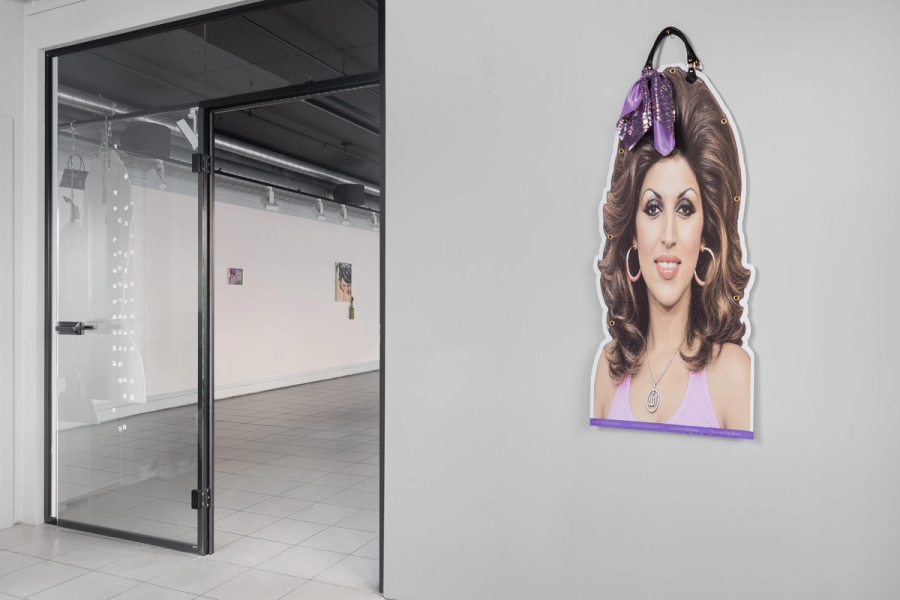
Installation view
Salgshallen og GalleryLab har sammen gleden av å presentere utstillingen Mélange av Karen Pedertad og Gloriya Talebi.
Karen Pederstad works with botanical sculptures and installations in which organic and synthetic materials interact, and where relational aspects such as proximity, responsibility, presence and attentiveness form an integral part of the works. Gloriya Talebi’s practice moves across image, object and space, using fragments, everyday aesthetics and popular culture to explore questions of identity and belonging.
Both artists work with the transformation of materials and readymade objects. For
Mélange, they have developed process-based and site-specific works at Romsås.
Pederstad creates sculptural and three-dimensional works using botanical materials collected in Romsås. The collection also includes contributions from the local community. Gathering encompasses plants, roots, flowers, moss and seeds, as well as found materials and visual impressions from the area. In Pederstad’s work, nature is not a backdrop but an active participant with intrinsic value. At the same time, she works with materials and visual expressions drawn from the world of commodities, from discount stores and hardware stores to mass-produced goods. All the impressions she encounters through consumption are processed in the making of her works. With a background in design and craft, horticulture and plant-based installations, she develops her work through material investigations, collection and hands-on processes.
Talebi’s works grow out of her close attention to neighbourhoods shaped by migration, such as Romsås in Oslo and Rosengård in Malmö (Talebi’s hometown), and similar environments found in many cities.In small neighbourhood shops, unrelated objects often share the same space. Western brand aesthetics, accessible luxury and glamorous imagery exist alongside Middle Eastern ornamentation and religious references. The visual language Talebi brings forward is shaped by movement between places rather than by a single culture, and often continues into domestic spaces, where interiors are built from what has been brought along, found, and kept.
Talebi’s work is closely connected to migration, neighbourhoods, home and identity. In Pederstad’s practice, belonging is more material: it emerges through the relationships between living materials, their surroundings, growth and the structures within which they exist. At Romsås, these two approaches meet in the question of how we form connections to a place through what we bring with us, and through what is already there and grows.
Brought together in an
assemblage, a joining or gathering of elements, a sculpture or relief constructed from found materials, the everyday can shift in status and be seen in new ways.
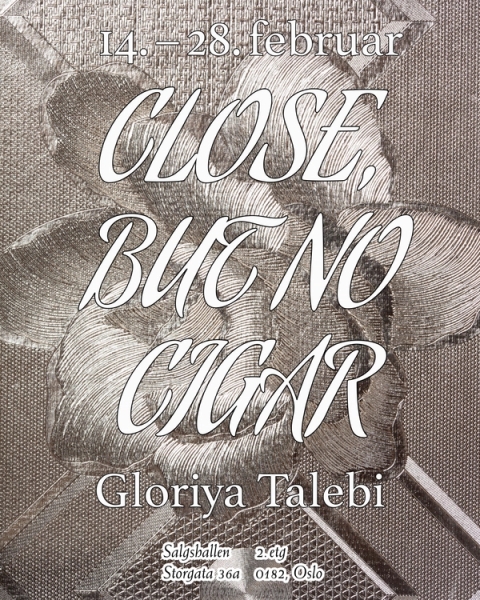
Gloriya Talebi (b. 1999, Sweden) is a Swedish- Iranian interdisciplinary artist based in Oslo. She holds an MFA in Fine Art from the Oslo National Academy of the Arts (2024–2026) and a BA in Artistic Photography from HDK-Valand Academy of Art and Design (2021-2024). Her work has been exhibited at Høstutstillingen, Kunstnernes Hus (NO), Oblong (DK) and Röda Sten Konsthall (SE), among others.
Karen Pederstad (b. 1983, Norway) works with botanical sculptures and installations and is based in Oslo. After completing a BA in Clothing and Costume Design at the Oslo National Academy of the Arts (KHiO) (2003 2006), she moved to Paris, where she worked as a design assistant at Maison Martin Margiela (2007). She later worked as a jewellery designer under her own label, with pieces sold at, among other places, the Comme des Garçons Trading Museum in Tokyo. In 2018, she founded Bukett!, a botanical studio specialising in bouquets, installations and planting projects.
Since 2024, she has participated in several group exhibitions, including Rekreasjon, Kunsthall Dikemark (2024); Rituals, Salgshallen (2024); Sommerutstillingen, Holmsbu Kunstmuseum (2025); Høstutstillingen (2025); Kunstnernes Efterårsudstilling, Den Frie (DK, 2025); Skulpturparken 25/26, Billedhoggerforeningen; and Tekstilutstillingen, Fossekleiva kultur-senter (2026). Pederstad is currently presenting her first solo exhibition at Salgshallen (2026). Her works have been acquired by the Asker Municipality Art Collection.